When fiber construction begins in a community, the activity can sometimes be difficult to follow. One week, residents may see people walking along roads or through utility easements. Later, another crew may arrive to place flags or paint markings. Construction equipment may appear after that, followed by another stretch when little visible work seems to be happening.
Even after conduit has been installed, internet service may not be available immediately.
That is because the fiber construction process is not a single construction activity. It is a coordinated series of planning, design, fieldwork, construction, testing, and activation phases. Each phase has a different purpose, and many require specialized crews, equipment, or approvals.
Understanding the primary stages of fiber installation can help residents, municipal leaders, cooperatives, and first-time broadband project owners know what they are seeing and what still needs to happen before service becomes available.
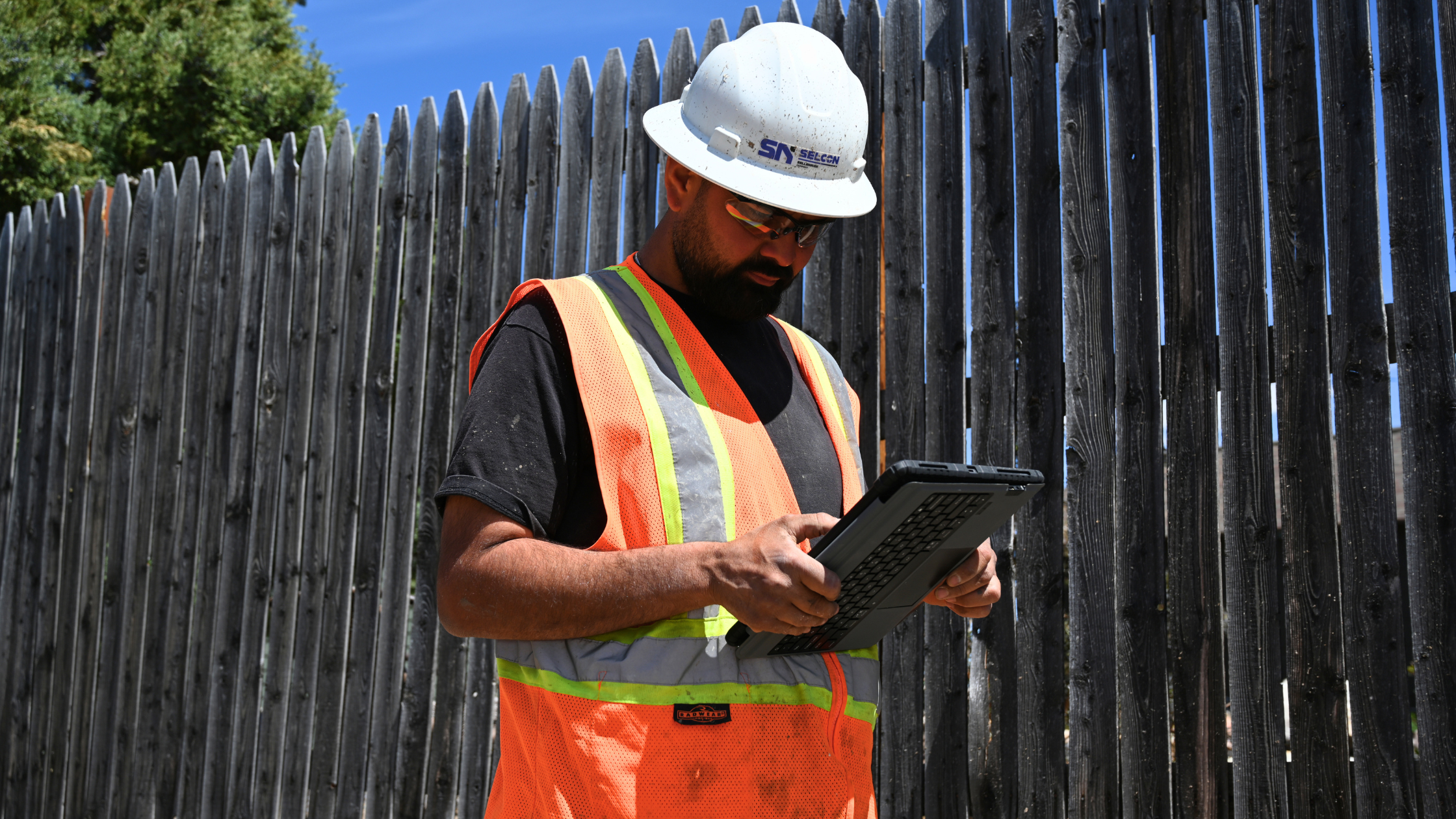
1. Field Walkouts Help Connect the Plan to Real Conditions
Before construction begins, project teams need to understand the area where the network will be built. Existing maps and records provide an important starting point, but they may not show every current field condition.
During a field walkout, team members may review:
- Proposed routes
- Roads, rights-of-way, and utility easements
- Existing infrastructure
- Visible obstacles
- Potential access limitations
- Conditions that could affect the planned construction method
Information gathered in the field can then be incorporated into GIS mapping, engineering, and project planning. This helps move the project from a proposed route on a map toward a design that accounts for what is actually present.
2. Utility Locating Supports Damage Prevention
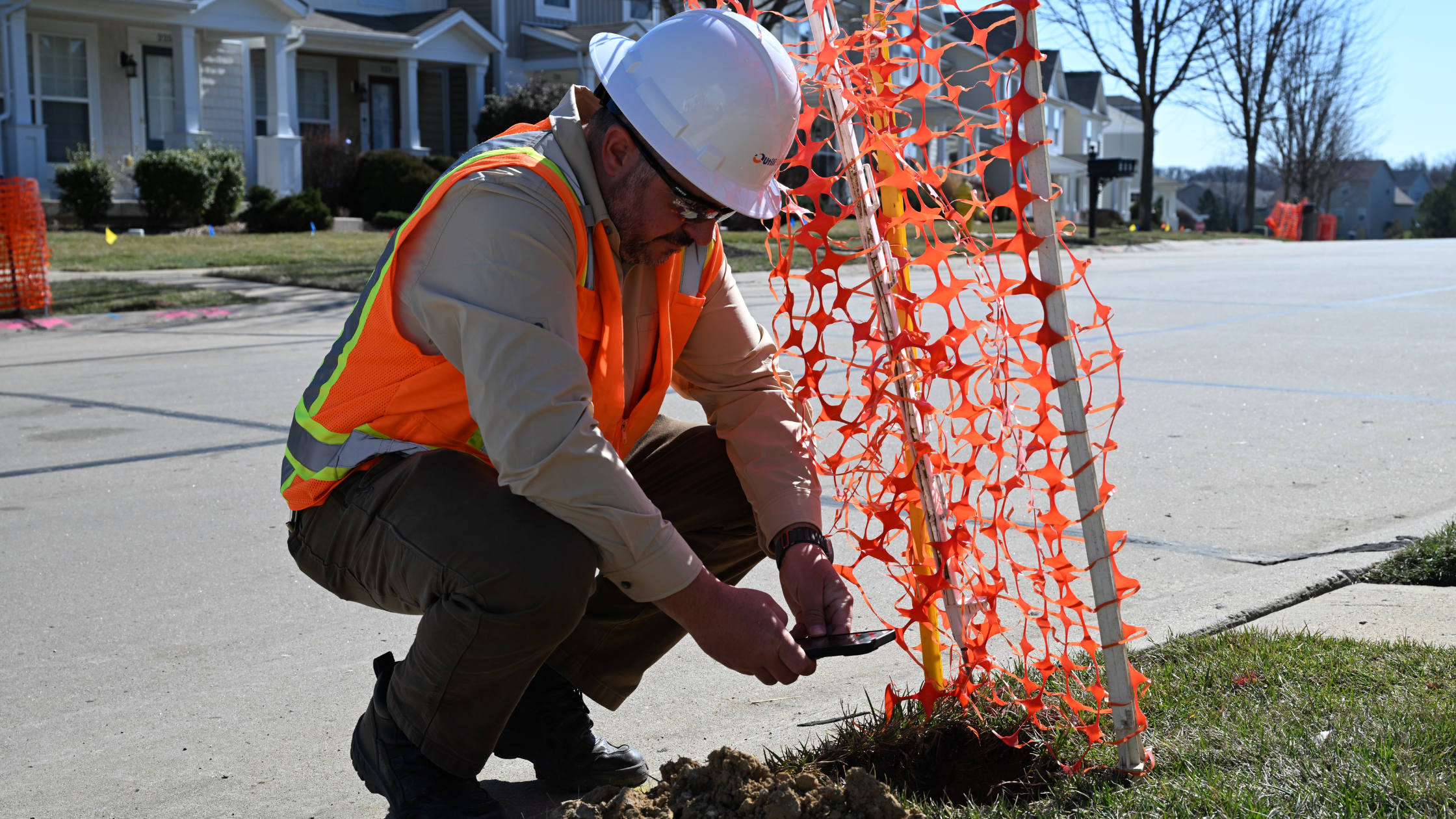
Existing underground facilities must be considered before excavation or directional drilling begins. Utility locating helps communicate the approximate position of marked facilities so construction teams can plan their work and take appropriate precautions.
Locating is its own phase because it involves coordination among project teams, facility owners, and locating personnel. Markings may also need to be refreshed if they are disturbed, become difficult to see, or expire before work reaches that part of the project.
If field conditions do not match available records or markings, crews may need additional information or verification before proceeding. That can make the process appear slower from the outside, but resolving uncertainty is an important part of responsible construction.
3. Engineering Turns Project Goals Into a Buildable Design
Engineering determines how the planned network should move through the project area. Depending on the project, this work may address route alignment, connection points, infrastructure placement, construction methods, and other technical requirements.
Information should move in both directions during this phase. Planning and GIS data inform the design, while field findings may lead to updates before or during construction.
This is one reason fiber projects are not always completed in a perfectly straight line. A project may continue moving in one area while another section is being reviewed, redesigned, or coordinated with stakeholders.
4. Permitting Must Be Completed Before Certain Work Begins
Broadband projects may cross municipal, county, state, or other controlled areas. The necessary permits depend on the project route and the authorities responsible for those locations.
Permit applications may require design information, maps, and supporting documentation. Review timelines can also differ between jurisdictions. As a result, some sections of a project may be ready for construction before others.
Good project visibility helps owners understand which areas are in design, awaiting permits, under construction, or moving toward completion. Without that visibility, normal phase transitions can easily be mistaken for a stalled project.
5. Construction Places the Physical Path for the Network
Once the required planning, locating, engineering, and permitting steps are in place, construction crews can begin installing the network infrastructure.
Depending on the design and conditions, construction may include:
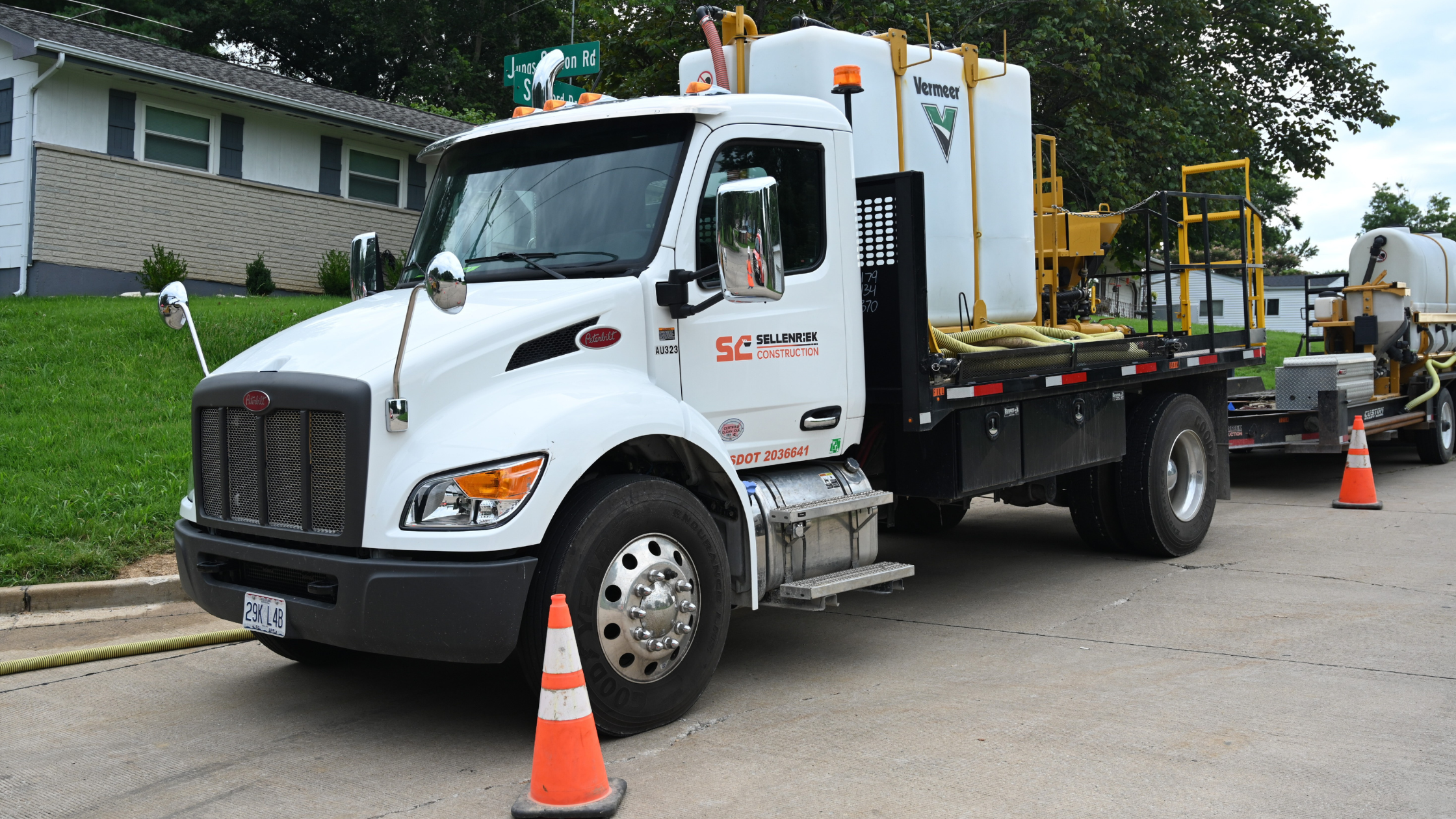
- Directional drilling
- Trenching or excavation
- Conduit installation
- Placement of handholes, vaults, or other network components
- Work at road, driveway, or utility crossings
Different construction methods may be used in different sections of the same project. Soil conditions, existing utilities, access, roadway requirements, and available workspace can all influence how the work is performed.
This physical construction is highly visible, but it is not the final stage. Conduit creates a protected pathway for fiber; it does not mean that a complete, operating network is already in place.
6. Fiber Must Still Be Placed, Spliced, and Tested
After the pathway is ready, fiber cable must be installed. Specialized technicians then connect individual sections through splicing.
These connections must be completed carefully and tested to confirm that the network performs as intended. If testing identifies a problem, the team may need to inspect connections, equipment, or individual sections before the network can advance.
This work may not involve large construction equipment, so residents can sometimes assume nothing is happening. In reality, important technical work may be underway inside trailers, vehicles, cabinets, handholes, or other network locations.
7. Restoration and Activation Are Separate Milestones
Construction teams are also responsible for addressing areas disturbed by their work. Restoration may include replacing soil, repairing affected surfaces, or reseeding disturbed ground, depending on the project requirements and site conditions.
Some restoration work may be completed shortly after construction, while final restoration may depend on weather, seasonal conditions, or the completion of other nearby activities.
Network activation is another separate milestone. Before customers can receive service, the network owner or internet service provider may need to complete final testing, install or activate network equipment, connect the new infrastructure to the broader network, and prepare individual addresses for service.
Therefore, the answer to “When will fiber internet be available after construction?” depends on more than when crews leave a particular street. A completed conduit route is meaningful progress, but splicing, testing, activation, and customer connections may still remain.
Why Do Different Crews Visit the Same Area?
Fiber projects rely on multiple specialties. The people conducting a field walkout may not be the same people completing utility coordination, drilling, fiber placement, splicing, inspection, or restoration.
Separate visits do not necessarily mean work is being repeated. Each crew may be completing a different part of the overall process or verifying that the previous phase is ready for the next one.
Clear identification and communication can make these visits less confusing for residents. Project owners can explain what type of work is occurring, what residents should expect next, and whom they should contact with questions.
Clear Communication Makes the Process Easier to Understand
Project owners do not need to provide residents with every technical detail, but they should communicate the milestones that matter most.
Helpful updates can explain:
- Which phase is currently underway
- Why crews may return more than once
- Whether work will affect access or traffic
- How restoration concerns should be reported
- Whether visible construction means service is immediately available
- Where residents can find activation and sign-up information
A successful fiber build depends on more than construction alone. It requires information to move from planning and GIS into engineering, permitting, and field execution, and then back into project records as work is completed.
When those phases are coordinated and communicated clearly, project owners can reduce confusion while giving residents a more realistic picture of how a fiber network moves from an early plan to an active connection.
What happens after fiber conduit is installed?
Fiber cable may still need to be placed through the conduit, connected through splicing, and tested. Network equipment must also be prepared or activated before service can be offered. Conduit installation is an important milestone, but it does not represent the end of the project.
Why did a fiber crew leave before my property was restored?
Initial restoration may occur soon after construction, while final grading, seeding, or surface repairs may happen later. Weather, seasonal growing conditions, and additional work in the area can influence the restoration schedule. Project owners should provide a clear process for reporting unresolved concerns.
Why are fiber markings, flags, or equipment appearing before construction starts?
These activities may support utility locating, route verification, surveying, engineering, or construction preparation. Several planning and safety-related steps often take place before excavation or directional drilling begins.
How long does a fiber construction project take?
The timeline depends on the size of the build, permitting requirements, ground conditions, utility coordination, weather, materials, and the complexity of the network. Different sections may also progress at different speeds.
Who is responsible for telling residents when fiber service is available?
The network owner, cooperative, municipality, or internet service provider typically communicates service availability and customer sign-up information. Construction crews may complete the physical infrastructure without managing customer activation.
What can communities do to prepare residents for fiber construction?
Communities can share the project’s major phases, expected work areas, contact information, restoration procedures, and the difference between construction completion and service activation. Regular, plain-language updates can help prevent unnecessary confusion.