Most residents do not spend much time thinking about the infrastructure around them. They expect the lights to turn on, water to flow, internet service to work, and roads to remain accessible.
Infrastructure becomes much more visible, however, when construction affects a daily routine.
A closed lane can change someone’s commute. Equipment near a home can raise questions about noise, access, or property conditions. A temporary service interruption can interfere with work, school, and other responsibilities. Even when a project is necessary and progressing as planned, the disruption can shape how the community views the work.
That is why infrastructure public perception cannot be separated from project execution. Residents may not see the engineering decisions, permitting requirements, or coordination happening behind the scenes. They judge community infrastructure projects by what they can see and experience: the condition of the work area, the professionalism of the people in the field, the clarity of the information they receive, and how their concerns are handled.
For municipalities, utility providers and contractors, those experiences matter. One project can influence how a community responds to the next one.
The Public Experience of Infrastructure Projects
The teams responsible for an infrastructure project understand its purpose, scope and long-term value. Residents often encounter it differently.
Their experience may begin with traffic control on the way to work, markings in a yard, construction equipment near a neighborhood, or a notice explaining that work will begin soon. They may not know which organization is responsible for each portion of the project. They simply know that construction has arrived and their normal routine may be affected.
This creates an important difference in perspective.
Project teams tend to evaluate progress through schedules, production, safety requirements, and technical milestones. The public is more likely to evaluate the same project through practical questions:
- Can I still access my home or business?
- How long will this area be affected?
- Why is this work necessary?
- Who should I contact if I have a concern?
- Will the property or roadway be restored when the work is finished?
- Is anyone listening when residents raise questions?
These are not minor concerns. They represent the community’s direct experience of the project.
A project may be technically successful while still leaving behind frustration if access, communication or restoration concerns are not handled well. Conversely, residents may be more understanding of temporary disruption when they know what is happening, why it matters and what they should expect.
That does not mean every inconvenience can be eliminated. Infrastructure work may require equipment, excavation, traffic adjustments, and temporary changes around the project area. The goal is not to promise a disruption-free project. The goal is to manage unavoidable disruption with care, clarity, and respect.
How Communication Shapes Perception
When information is limited, people tend to fill in the gaps themselves.
A resident who sees equipment arrive without understanding the purpose of the work may assume the project was poorly planned. A business owner who does not know how long access will be affected may worry about customers. A homeowner who cannot identify the correct point of contact may feel ignored before a conversation ever begins.
Clear utility communication helps replace uncertainty with reasonable expectations.
Effective public communication should help community members understand:
- What work is taking place
- Why the project is needed
- Where activity will occur
- When work is expected to begin
- How long different phases may last
- What temporary impacts residents may experience
- Who to contact with questions or concerns
- What restoration should look like after construction
Timing matters as much as the message itself. Information provided after a disruption begins may feel like a reaction. Information shared beforehand gives people an opportunity to plan.
Consistency also matters. If a municipality communicates one timeline, a utility provides another, and a contractor gives residents different information in the field, confidence can erode quickly. Municipal project transparency depends on the organizations involved sharing accurate, aligned information.
Not every member of the public needs the full technical history of a project. Most people want information that is specific, understandable, and relevant to their daily lives. Plain language is often more useful than technical terminology.
Communication should also make room for changes. Construction conditions, weather, permitting, existing utilities and other factors can affect a schedule. When circumstances change, a timely and honest update can preserve trust more effectively than silence or an unrealistic promise.
Why Professionalism Matters in the Field
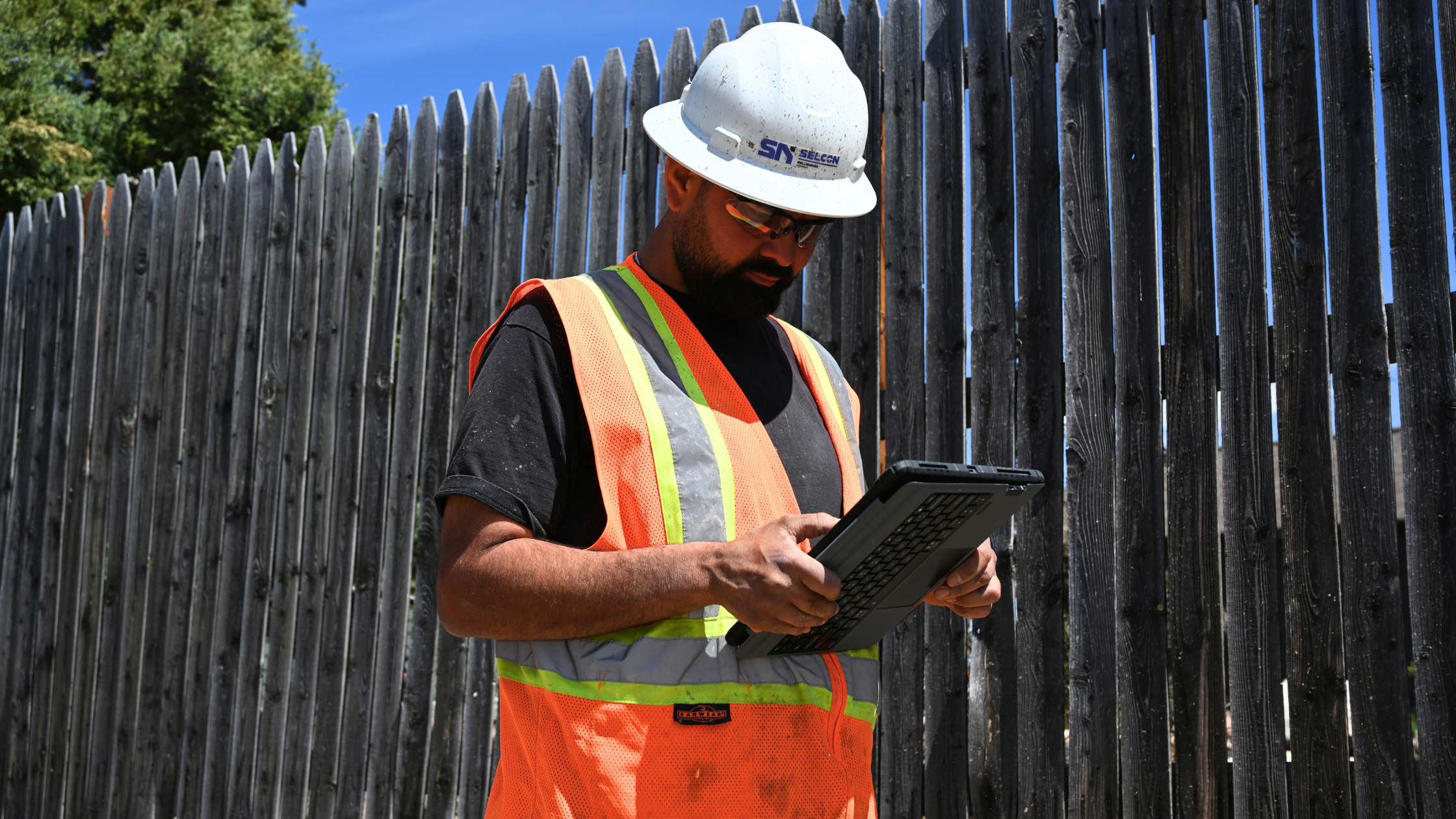
For many residents, the crew members they see may be their only personal connection to the project.
They may never meet the engineers, planners, utility leaders, or municipal representatives involved behind the scenes. The people working near their homes, businesses, and roads become the public face of the work, and, by extension, of every organization associated with it.
That makes field professionalism an essential part of public trust.
Professionalism can be reflected in everyday actions:
- Following safety and traffic-control requirements
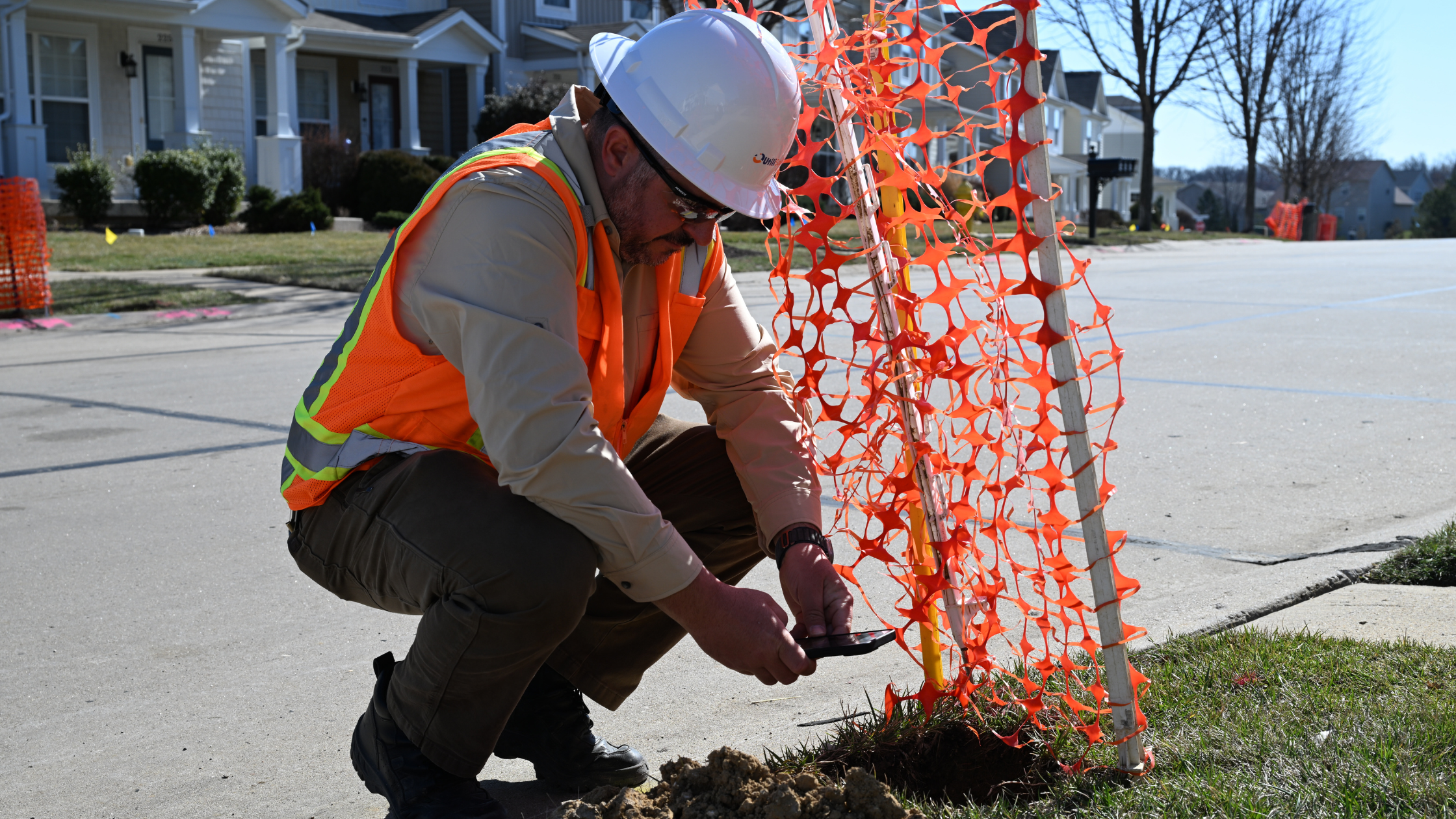
- Maintaining an orderly work area
- Treating residents, property owners and businesses respectfully
- Providing accurate information without making unsupported promises
- Directing questions to the appropriate contact
- Responding appropriately when someone raises a concern
- Respecting property and access needs
- Addressing cleanup and restoration responsibilities
These details are visible to the public. They influence whether the project appears organized, responsible, and respectful.
Residents do not always distinguish between the contractor, subcontractor, utility provider and municipality. A negative interaction with one person can affect how they view every organization connected to the project. In the same way, a professional response can reinforce confidence in the entire team.
This is especially important when someone is frustrated. A resident may approach a crew member after experiencing noise, an access issue, or an unexpected change. The crew member may not have the authority to resolve the entire concern, but the way the interaction is handled still matters. Listening, remaining respectful and helping the resident reach the right person can prevent a concern from becoming a larger conflict.
Professionalism does not mean field teams must have every answer. It means they understand that how they represent the work is part of the work.
Building Long-Term Community Trust
Public trust is not created by a single notice, meeting, or conversation. It is built through repeated experiences.
Communities remember whether project teams communicated before work began. They remember whether concerns received a response. They remember the condition in which roads, yards and shared spaces were left. They also remember whether the finished infrastructure delivered the value they were told to expect.
This history can influence future community infrastructure projects.
When residents have experienced unclear communication, avoidable disruption, or unresolved concerns, they may approach the next project with skepticism. That resistance may not be about the new project alone. It may reflect what happened previously.
Positive experiences can have the opposite effect. When municipalities, utility providers and contractors communicate honestly, coordinate their messaging and follow through on commitments, they create a stronger foundation for future work.
Long-term trust requires alignment among everyone involved:
- Municipalities help connect projects to broader community needs.
- Utility providers explain the purpose and long-term value of the investment.
- Contractors shape the daily public experience through execution and field conduct.
- Project leaders ensure questions and concerns reach the right people.
- Field teams demonstrate respect through their actions around homes, businesses, and public spaces.
No single organization controls every factor affecting public perception. Each organization, however, contributes to it.
The long-term goal is not simply to avoid complaints. It is to show residents that the people responsible for their infrastructure understand the responsibility that comes with working in their community.
The Work Is Temporary. The Impression Can Last.
Construction eventually moves on. Traffic patterns return to normal, equipment leaves, and disturbed areas are restored. The community’s impression of the project may remain much longer.
That impression is shaped by more than the finished infrastructure. It is shaped by how people were treated while it was being built.
For the Sellenriek Family of Companies, successful infrastructure work includes recognizing the communities around the project. Careful coordination, clear communication, and professional conduct in the field all contribute to an experience that supports, not undermines, the value of the finished work.
Every interaction is an opportunity to reinforce public confidence. When municipalities, utility providers and contractors treat public trust as part of project execution, they are better positioned to complete today’s work while building support for the infrastructure communities will need tomorrow.
Why do residents oppose infrastructure projects?
Residents may oppose or question projects when they do not understand why the work is necessary, how it will benefit the community, or how long the disruption will last. Concerns may also be influenced by traffic changes, property impacts, service interruptions, noise, or prior experiences with construction. Early, clear communication can help address uncertainty, although it may not eliminate every concern.
How should municipalities communicate infrastructure projects?
Municipalities should provide clear and timely information about the project’s purpose, location, anticipated schedule, potential disruptions and points of contact. Communication should use accessible language and remain consistent with information shared by the utility provider and contractor. When schedules or conditions change, updated information should be provided as soon as practical.
What creates public trust during an infrastructure project?
Public trust grows when project teams communicate honestly, set realistic expectations, respond to concerns, and follow through on commitments. Professional conduct, attention to safety, respect for property and appropriate cleanup or restoration also influence whether residents view a project positively.
How do utility projects impact communities?
Utility projects can temporarily affect traffic, property access, service availability, and activity around homes or businesses. Their long-term purpose is to build, maintain, or improve the infrastructure a community depends on. Helping residents understand both the temporary impact and the intended long-term benefit is an important part of project communication.
What role do contractors play in public communication?
Contractors help shape the public’s daily experience of a project. Although formal communication may come from a municipality or utility provider, field teams frequently interact directly with residents and businesses. Contractors should provide only confirmed information, avoid unsupported promises, and direct questions to the appropriate project contact when necessary.
Why is professionalism important in construction?
Construction crews often serve as the most visible representatives of a project. Their conduct can affect how residents view the contractor, utility provider and municipality. Professionalism reinforces safety, accountability, and respect while helping prevent routine questions or concerns from developing into larger public trust issues.